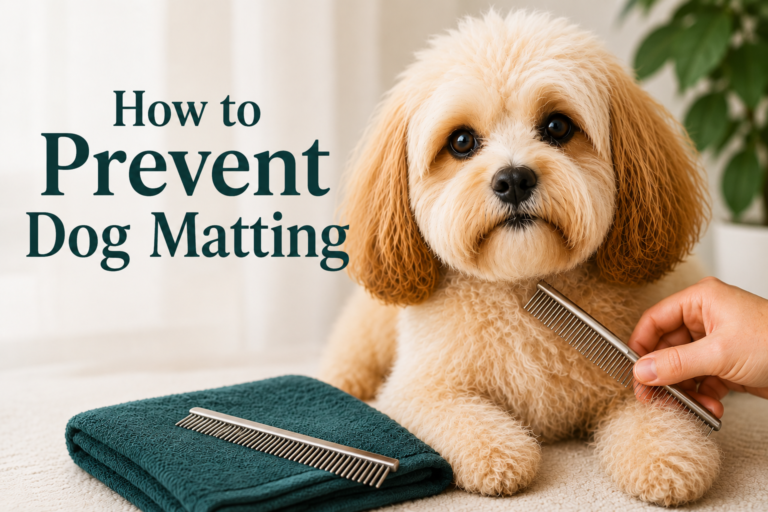

How Often Should You Brush a Dog?
Brushing looks simple, but the right schedule can be very different from one dog to another.
A short-haired Boxer may only need a quick weekly brushing. A long-coated Shih Tzu, Maltese, or Afghan Hound may need much more frequent attention. A double-coated dog may suddenly need extra brushing during a heavy seasonal shed.
So the best answer is not “brush every dog every day.”
It is:
Brush often enough to keep the coat clean, free of tangles, comfortable, and easy to inspect — based on the dog’s actual coat type and condition.
The AKC notes that grooming frequency depends on breed, coat type, length, lifestyle, and shedding pattern, while VCA recommends regular brushing for all dogs and daily brushing for many long, silky, or curly coats. (American Kennel Club)
Quick Answer: How Often Should You Brush a Dog?
A practical starting point is:
- Short, smooth coats: about once a week
- Short, dense coats: about once a week, sometimes more during shedding
- Long coats: several times a week to daily
- Curly or continuously growing coats: often daily or near-daily if kept long
- Double coats: at least weekly, with more frequent brushing during heavy shedding
- Wire coats: usually weekly brushing plus coat-specific maintenance
- Matted or painful coats: stop brushing and get professional help
ASPCA guidance says smooth short coats and many short dense coats can often be brushed weekly, while AKC guidance notes that long-haired dogs may need grooming anywhere from several times per week to daily. (ASPCA)
The schedule matters, but how you brush matters just as much.
Why Dogs Need Regular Brushing
Brushing does more than remove loose hair.
It can help:
- remove dirt and debris
- distribute natural skin oils through the coat
- reduce loose shedding hair
- prevent small tangles from tightening
- uncover mats before they become painful
- let you inspect the skin
- reveal fleas, ticks, scabs, bumps, or wounds
- make professional grooming easier
VCA notes that all dogs benefit from regular grooming because it removes loose hair and dead skin cells, keeps the coat cleaner, and helps distribute natural oils along the hair shafts. (Vca)
Brushing time is also one of the easiest opportunities to notice a skin or coat problem early.
How Often Should You Brush a Short-Haired Dog?
For many short-haired dogs, once a week is a good starting point.
Examples may include:
- Boxers
- Beagles
- Doberman Pinschers
- Boston Terriers
- Great Danes
- short-haired Chihuahuas
- Vizslas
- many Pit Bull-type dogs
- smooth-coated mixed breeds
A rubber curry brush, grooming glove, or bristle brush may be enough for many smooth coats.
ASPCA recommends weekly brushing for smooth short coats and says a rubber brush can help loosen dirt and dead hair before finishing with a bristle brush.
Some short-haired dogs shed heavily despite having short fur. Those dogs may benefit from brushing several times per week during heavy shedding.
Read: Short-Haired Dog Grooming
How Often Should You Brush a Long-Haired Dog?
Long-haired dogs generally need more frequent care.
Depending on coat density and length, brushing may be needed:
Several times per week to daily.
This may apply to dogs such as:
- Shih Tzus
- Maltese
- Yorkshire Terriers
- Havanese
- Lhasa Apsos
- Cocker Spaniels
- Afghan Hounds
- long-haired mixed breeds
Long hair can hide tangles close to the skin while the top of the coat still looks smooth.
AKC notes that long-coated breeds often do best with daily brushing, while VCA says long, silky, or curly coats require daily brushing to help prevent tangles and mats. (American Kennel Club)
For long coats, brushing should usually be followed with a metal comb check.
If the comb catches, the coat may not be fully brushed through.
Read: Long-Haired Dog Grooming
Suggested In-Article Image: Brushing Frequency by Coat Type
A helpful image here could show four dogs with simple frequency guidance:
- short coat — weekly
- long coat — several times weekly or daily
- curly coat — frequent or daily
- double coat — weekly, more during shedding
Recommended file name:dog-brushing-frequency-by-coat-type.png
Recommended alt text:
Dog brushing frequency guide showing short, long, curly, and double-coated dogs.
How Often Should You Brush a Curly-Coated Dog?
Curly coats can be deceptive.
The surface may look fluffy while tangles are developing underneath.
Dogs with curly or wavy coats may need brushing several times per week or daily, especially when the coat is kept long.
Examples include:
- Poodles
- Bichon Frises
- Portuguese Water Dogs
- Goldendoodles
- Labradoodles
- Cavapoos
- Cockapoos
- other curly-coated mixes
A slicker brush is often paired with a metal comb.
The comb helps confirm that you reached through the coat instead of brushing only the surface.
VCA recommends daily brushing for long, silky, or curly coats to reduce tangles and matting. (Vca)
Read: Curly Dog Coat Grooming
How Often Should You Brush a Double-Coated Dog?
Double coats often need regular brushing throughout the year and more frequent grooming when the undercoat is shedding heavily.
A practical schedule may be:
- Normal periods: about once or twice per week
- Heavy shedding periods: several times per week or even daily for some dogs
Examples may include:
- German Shepherds
- Huskies
- Samoyeds
- Golden Retrievers
- Labrador Retrievers
- Australian Shepherds
- Pomeranians
- Great Pyrenees
AKC notes that heavy shedders may need brushing several times a week or daily during peak shedding periods.
The goal is to remove loose undercoat without scraping the skin or damaging the protective outer coat.
Do not automatically shave a double coat simply because shedding is frustrating.
How Often Should You Brush a Wire-Haired Dog?
Many wire-haired dogs benefit from a basic weekly brushing and combing routine.
But wire coats can require additional maintenance, including hand-stripping or clipping depending on the dog, coat, and grooming goals.
Examples include:
- Border Terriers
- Wire Fox Terriers
- Cairn Terriers
- Scottish Terriers
- Wirehaired Dachshunds
- other rough-coated breeds
Brushing helps remove debris and loose hair, but it does not replace coat-specific stripping or trimming when those are needed.
Read: Wire-Haired Dog Grooming
Puppies Need Brushing Even Before They “Need” It
A young puppy may not have enough coat to mat badly yet.
That does not mean you should wait.
Short, gentle grooming sessions help puppies learn that:
- brushes are normal
- paws can be handled
- ears can be touched
- grooming tables or mats are safe
- standing still for short periods is expected
Start with only a few minutes.
The goal early on is not perfect coat maintenance.
It is building comfort with grooming before the adult coat becomes harder to manage.
Older Dogs May Need Shorter Sessions
Senior dogs may have:
- arthritis
- skin sensitivity
- weakness
- trouble standing
- lumps or bumps
- thinner skin
- lower tolerance for long sessions
They may still need frequent coat care, but shorter sessions can be kinder.
Instead of one long brushing session, divide the body into sections across several days.
Use a non-slip surface and stop when the dog seems uncomfortable.
Does a Dog Need Brushing Every Day?
Not every dog does.
Daily brushing can be helpful for:
- long coats
- curly coats
- dogs prone to matting
- heavy seasonal shedders
- dogs that frequently collect debris outdoors
- dogs wearing harnesses or clothing that cause friction
But daily brushing can become harmful if you use too much pressure or repeatedly scrape the same areas.
More brushing is not automatically better.
The coat and skin should look healthier after grooming — not red, sore, broken, or irritated.
Can You Brush a Dog Too Much?
Yes.
Overbrushing can irritate skin and damage hair, especially when using:
- slicker brushes aggressively
- deshedding tools repeatedly
- undercoat rakes with too much pressure
- blades on thin coats
- the same area over and over
Signs you may be brushing too aggressively include:
- redness
- sensitivity
- broken hair
- scratches
- the dog trying to escape
- flinching when touched
- excessive licking afterward
Use light pressure and let the tool do the work.
What Time of Year Should You Brush More Often?
Dogs that shed seasonally may need extra brushing during spring and fall.
Heavy shedders can release large amounts of undercoat during these periods.
AKC says dogs that shed heavily may need brushing several times each week or daily during peak shedding.
Your dog does not care what the calendar says, though.
Watch the coat.
If loose undercoat starts coming out in tufts, temporarily increase brushing.
Read: Dog Shedding Guide
Should You Brush Before Bathing?
Usually, yes.
Brushing before the bath can remove:
- loose hair
- dirt
- small tangles
- dead undercoat
This is especially important for long and curly coats.
Water can tighten existing tangles and make mats harder to remove afterward.
If the dog is severely matted, however, do not force a brush through the coat just because bath time is approaching.
Get professional help first.
Should You Brush After a Bath?
Often, yes — but only after appropriate drying.
Bathing can loosen dead coat, especially in shedding dogs.
After the dog is properly dried, gentle brushing can remove loosened hair and help finish the coat.
For long or curly coats, drying and brushing technique are especially important because poor drying can contribute to tangles.
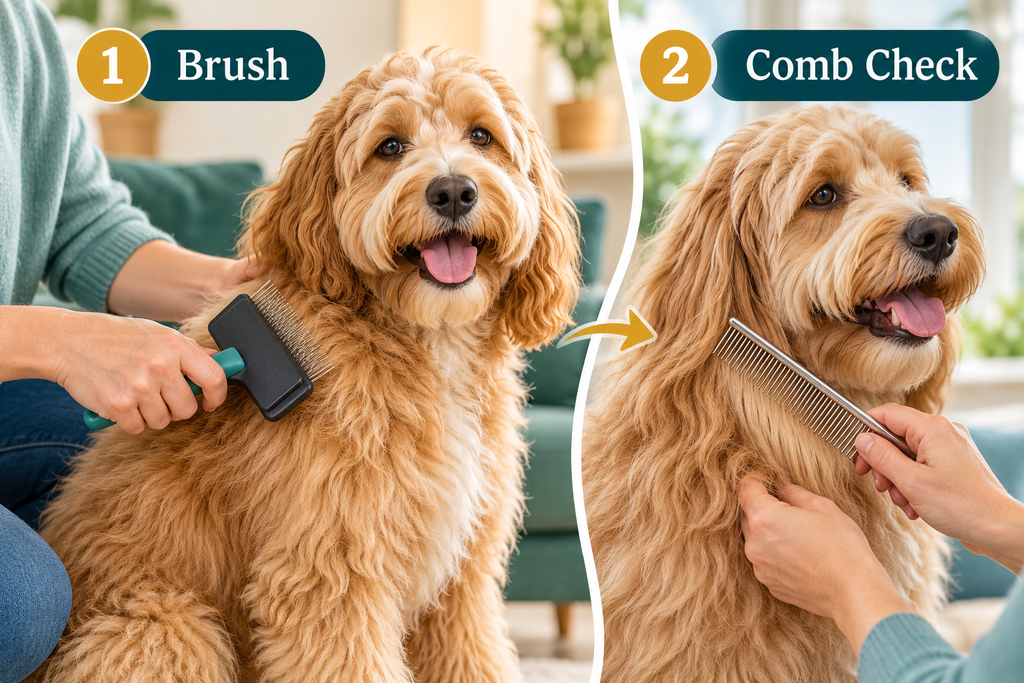
Brush First, Then Comb
For coats prone to tangling, the brush should not be the final test.
A metal comb can reveal tangles the brush missed.
Try this:
- Brush one small section.
- Run a metal comb gently through it.
- If the comb passes easily, move on.
- If the comb catches, inspect the area.
- Do not yank through resistance.
This matters most with:
- long coats
- curly coats
- silky coats
- Doodle-type coats
- feathered areas
Use the Dog Brush and Comb Finder if you are unsure which tools fit your dog.
Suggested In-Article Image: Brush Then Comb
A useful visual here could show:
Step 1: gently brush one coat section
Step 2: check the section with a metal comb
Step 3: stop if the comb catches
High-Risk Areas May Need More Frequent Checks
Even if you brush the whole dog weekly, some areas may need checking more often.
Look at:
- behind the ears
- under the collar
- under harness straps
- armpits
- chest
- belly
- groin
- inner legs
- tail
- paws
- beard
- sanitary area
A dog can have a beautifully brushed back and still have painful mats underneath the armpits.
For mat-prone dogs, run your fingers through these areas every day or two.
What If My Dog Hates Brushing?
Do not turn brushing into a wrestling match.
Try:
- shorter sessions
- softer tools
- brushing only one area at a time
- treats for calm behavior
- a non-slip surface
- stopping before frustration builds
- having a professional groomer demonstrate technique
If the dog suddenly begins resisting grooming after previously tolerating it, check for:
- mats
- skin irritation
- wounds
- joint pain
- ear problems
- another painful area
Resistance can be communication.
What If the Brush Keeps Getting Stuck?
Stop.
Do not simply pull harder.
The coat may contain:
- a tangle
- packed undercoat
- a mat
- debris
- something stuck close to the skin
Separate the hair with your fingers and inspect the area.
If the mat is tight, painful, near delicate skin, or impossible to separate gently, call a professional groomer.
Do not cut underneath tight mats with scissors.
When Brushing Is Not Enough
Brushing should not be used to solve every coat problem.
Contact a professional groomer when:
- mats are tight against the skin
- large areas are packed
- the dog cannot tolerate grooming
- the coat is difficult to dry
- the correct tools are unclear
- tangles return immediately
- you are considering clipping a difficult coat
Contact a veterinarian when grooming reveals:
- wounds
- swelling
- bleeding
- pus
- severe redness
- strong odor
- painful skin
- unexplained hair loss
- intense itching
Regular grooming helps you discover these problems.
It does not replace medical care.
How Long Should a Brushing Session Last?
There is no required number of minutes.
A short-haired dog may need only five minutes.
A long-coated dog may require much longer.
For dogs that dislike grooming, several five-minute sessions may be better than one 30-minute session.
Judge success by the coat and the dog — not the clock.
A Simple Dog Brushing Schedule
Here is a practical starting point:
Short smooth coat
Brush about once weekly.
Short dense coat
Brush weekly and more during shedding.
Long coat
Brush several times weekly; daily may be needed.
Curly or wavy coat
Brush frequently, often daily when kept long.
Double coat
Brush weekly or more; increase during seasonal shedding.
Wire coat
Brush and comb roughly weekly, with additional coat-specific maintenance as needed.
Mat-prone dog
Check problem areas frequently, even between full brushing sessions.
These are starting points, not rigid rules.
Adjust based on what your dog’s coat is telling you.
Final Thoughts
How often should you brush a dog?
Often enough that the coat remains comfortable, clean, and easy to manage.
For some dogs, that means once a week.
For others, it means daily.
Coat type, length, shedding, lifestyle, haircut, moisture, and matting risk all matter more than following one universal schedule.
Start with the right frequency for the coat, use gentle tools, check high-risk areas often, and adjust whenever the coat begins tangling or shedding more heavily.
The best brushing routine is the one that prevents problems before your dog becomes uncomfortable.
Related Dematly Resources
- Dog Brush and Comb Finder
- Dog Shedding Guide
- Short-Haired Dog Grooming
- Long-Haired Dog Grooming
- Curly Dog Coat Grooming
- Wire-Haired Dog Grooming
- How to Prevent Dog Matting
- Professional Dog Grooming
Dematly provides general educational dog-grooming information and does not replace advice from a veterinarian or qualified professional groomer.